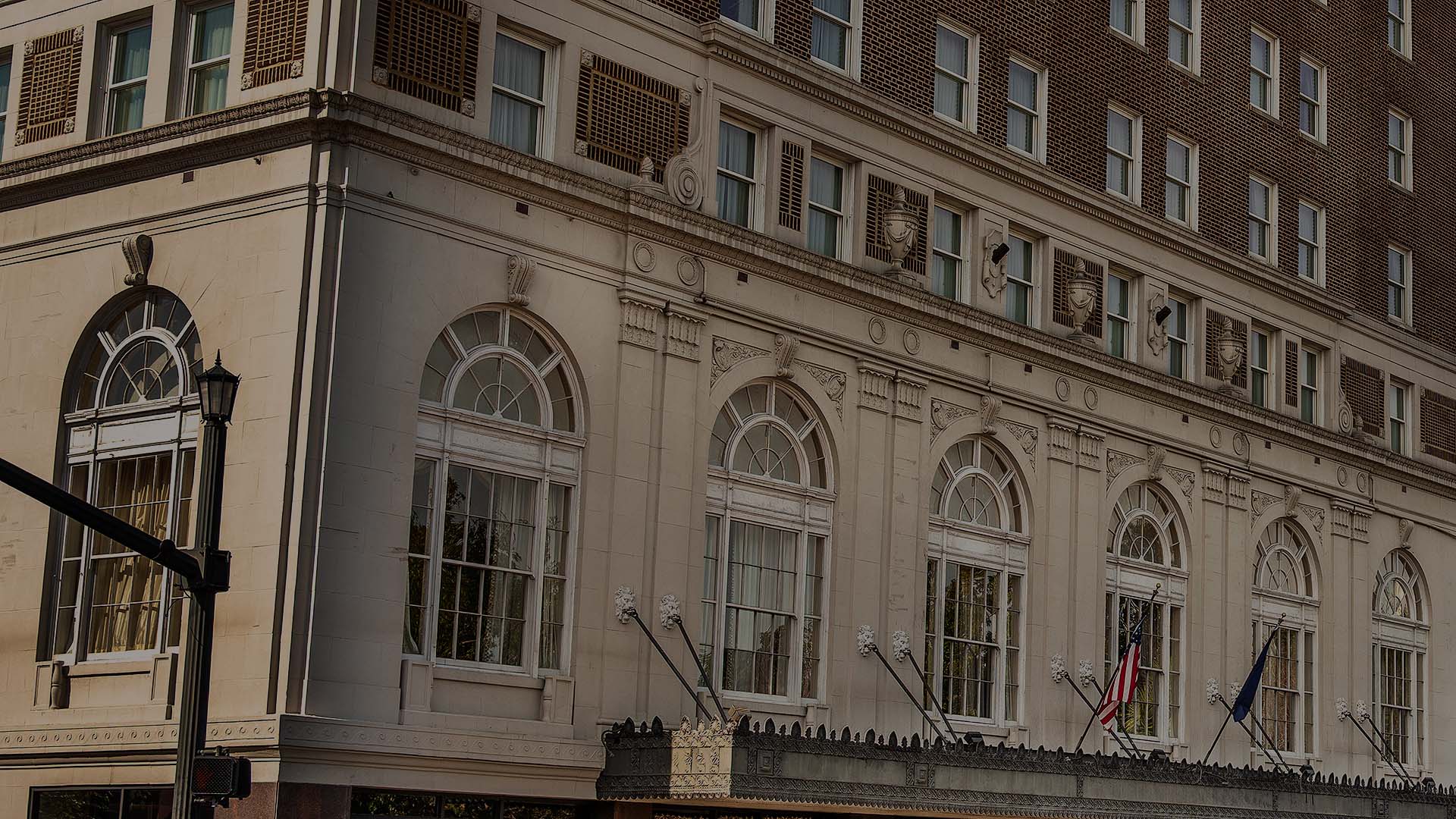
Charleston is renowned for its elegant historic architecture and timeless Southern charm, but many of its grandest accommodations carry a dark and haunted past. From Gilded Age mansions to converted military structures, several hotels in the historic district are the settings for long-standing ghost stories. Taking the Ghosts & Gravestones tour gives you the perfect evening companion to your spooky stay, providing a deeper look into the historical tragedies that left these spirits behind.
Many of Charleston’s hotels and inns operating today began as private homes, boarding houses, or military housing long before modern tourism existed. These buildings saw daily life during wars, fires, epidemics, and economic shifts that shaped Charleston into what it is now.
Guests who stay often report experiences that feel connected to those earlier uses. Footsteps in empty halls, doors opening on their own, and voices heard late at night are among the most common claims. Staff members at several properties have shared similar stories over many years, which gives these reports a sense of continuity rather than isolated incidents.
Another reason Charleston haunted hotels draw attention is how well-preserved they are. Many still feature original staircases, fireplaces, and room layouts. Because preservation rules limit heavy renovation, visitors are walking through the same spaces people lived in generations ago. That physical connection to the past is often what makes overnight stays feel more intense, especially after dark when the streets grow quiet.
Charleston’s reputation for hauntings developed during its role in American history. The city faced repeated conflict, including the Revolutionary War and the Civil War, which brought long occupations and significant loss of life. Disease outbreaks such as yellow fever also affected large portions of the population, leaving many buildings associated with illness and recovery.
Several of Charleston’s famous haunted hotels were already standing during these events. Some served as homes for prominent families, while others functioned as temporary lodging, medical spaces, or meeting places. Modern guests often report activity in rooms connected to those earlier periods, including unusual sounds, shifting objects, and figures seen near stairwells or doorways.
Natural features may also play a role. Charleston sits on low ground surrounded by water, with iron-rich soil beneath much of the peninsula. Paranormal researchers often note that these conditions appear at many locations known for reported activity. While theories differ, the repeated experiences tied to hauntings tend to line up with documented moments in the city’s past rather than random locations.
One of the most talked about Charleston haunted hotels is the Battery Carriage House Inn, located steps from White Point Garden. The building dates back to 1843 and sits on land connected to public executions and military activity along The Battery. Guests often mention that the surrounding area feels quiet and heavy at night, especially after the park closes and foot traffic fades.
Room 8 and Room 10 receive the most attention from overnight guests. Reports from Room 8 describe a headless figure believed to be a Civil War-era soldier, while Room 10 is associated with a male presence seen sitting at the end of the bed. Other visitors staying throughout the inn have shared experiences involving lights turning on, doors opening without explanation, and footsteps moving across wooden floors when no one else is nearby. These accounts have appeared consistently in guest logs, reinforcing the inn’s reputation and long-running paranormal claims.


The Francis Marion Hotel often comes up in conversations involving Charleston haunted hotels because of its size, age, and constant guest turnover. Built in 1924, the hotel overlooks Marion Square and has housed travelers during wars, hurricanes, and major city events. Many guests report unusual activity on upper floors late at night, when hallways are quiet, and lights are low.
Several stories center on a man believed to be Ned Douglas, who reportedly died after falling from a window in the 1920s and is believed to haunt the hotel today. Guests have described seeing a figure in period clothing near stairwells or windows, while others mention sudden cold spots, unexplained footsteps, or doors that seem to open on their own. Hotel staff members have shared similar experiences over the years, often tied to the same floors and corridors.
The Wentworth Mansion often comes up when people talk about Charleston’s haunted hotels because of its long history before it became an inn. Built in 1886 for cotton merchant Francis Silas Rodgers, the building began as a private home and later saw years of change, illness, and loss. Many guests say the activity here feels steady rather than dramatic.
Several reports focus on a woman believed to be Maybelle Baker, a former resident tied to the home’s early years. Guests have described seeing a woman in a white dress near the staircase or noticing movement in the upper rooms when no one else is around. Others mention the brief scent of old perfume in hallways or lights turning on after being switched off. Staff members have also heard footsteps late at night when the building is quiet.
The Meeting Street Inn has a long past that stretches back to 1874. Before it became an inn, the building served as a tavern and later as a wholesale stable. That steady rotation of people and purposes plays a role in why guests still report strange activity today. Stories from visitors place this property firmly among well-known lists of Charleston haunted hotels.
Most reports focus on a male presence that seems interested in guest rooms rather than common spaces. People staying in rooms that face the courtyard often say personal items move while they are away. Jewelry left on a dresser may shift positions, or objects placed neatly before bed end up elsewhere by morning. Some guests also describe the feeling of being watched, especially late at night when the inn is quiet. Staff members have shared similar experiences, noting unexplained sounds and doors opening without a clear cause.

Staying at any of Charleston’s haunted hotels gives visitors a closer connection to the city’s past, but guided experiences help explain why these locations carry so many stories. Walking tours and narrated rides share the people, events, and conditions that shaped Charleston’s long history of reported paranormal activity.
One popular option is the Ghosts & Gravestones tour. Friendly and knowledgeable guides provide live narration, explaining former jails, burial grounds, and historic buildings connected to reported activity. Guests remain seated for part of the tour, which works well after spending time exploring Charleston haunted hotels earlier in the day.
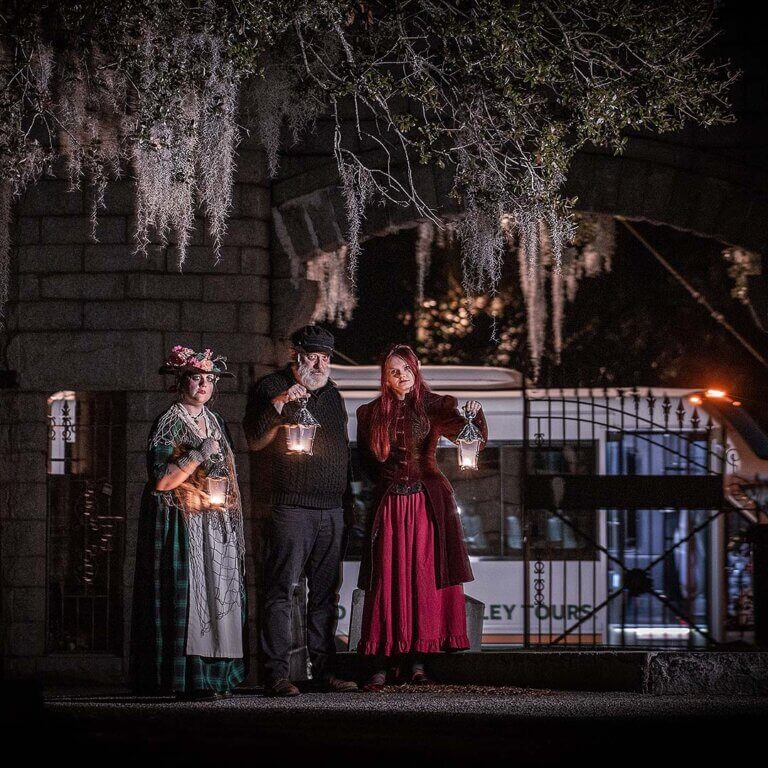
Some visitors also pair their stay with Old Town Trolley Tours during the daytime to learn more about the city’s background. Live narration from friendly and knowledgeable guides adds helpful context about how wars, fires, and public health crises shaped different parts of Charleston.
Together, these experiences offer a clear way to explore Charleston’s historical and paranormal sides while learning how each location fits into the city’s broader legacy.
Yes, several have been included in paranormal investigations over the years. Independent researchers, tour groups, and historians have collected guest accounts and environmental readings tied to the same locations. While experiences vary from person to person, these investigations help explain why Charleston’s haunted hotels continue to be a point of interest for visitors curious about the city’s past.