South Carolina’s deep history spans centuries of piracy, Revolutionary War bloodshed, and deep antebellum tragedies. From the historic coastal streets of Charleston to the misty swamps and shoreline dunes of the Lowcountry, the state is rich with eerie folklore and reported paranormal encounters. Taking the Ghosts & Gravestones tour in Charleston provides an excellent, structured window into these dark regional tales, connecting documented history with the spirits said to still wander the state.
South Carolina has a long history shaped by war, disease, fires, and hard living conditions. Many towns were settled early, and buildings often stand on land that has been used again and again over hundreds of years. When those stories kept coming from different people across different generations, some sites earned a lasting reputation for the unexplained.
Because so many of the state’s older buildings are still part of everyday life, including former jails, churches, theaters, and cemeteries, some of the most haunted places in South Carolina appear across the state instead of being limited to one small area.
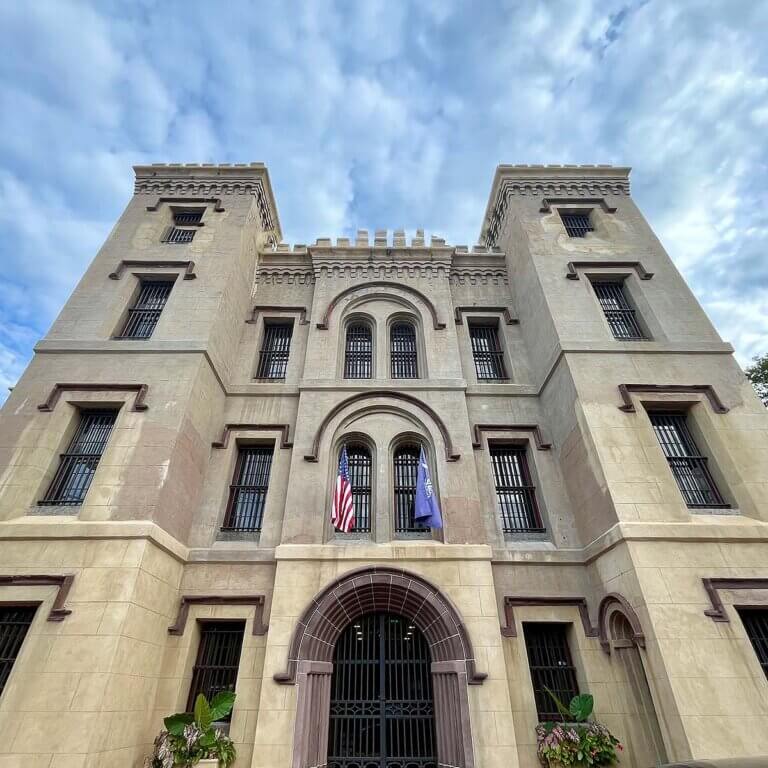
The Old City Jail in Charleston operated for more than a century and held people during some of Charleston’s hardest years. Prisoners included criminals, debtors, enslaved individuals, and political suspects. Conditions were rough, and overcrowding was common. Illness and executions were part of the jail’s history, especially in the early 19th century.
History and Facts
The jail opened in 1802 and remained in use until 1939. In 1886, a powerful earthquake caused major damage and destroyed the fourth floor along with the original tower. Prisoners once held here included pirate Jacque Alexander Tardy and Denmark Vesey, who was accused of planning a revolt.
Things To Do
Visitors can take guided night tours that reach upper levels not usually open during the day. Some tours include structured paranormal investigations using simple tools like EMF meters. Walking around the outside of the building also helps visitors understand how large and isolated the jail once felt.
Reported Activity
Visitors and staff often mention unexplained footsteps, shadowy figures, and sudden cold spots near former cell areas and execution sites.

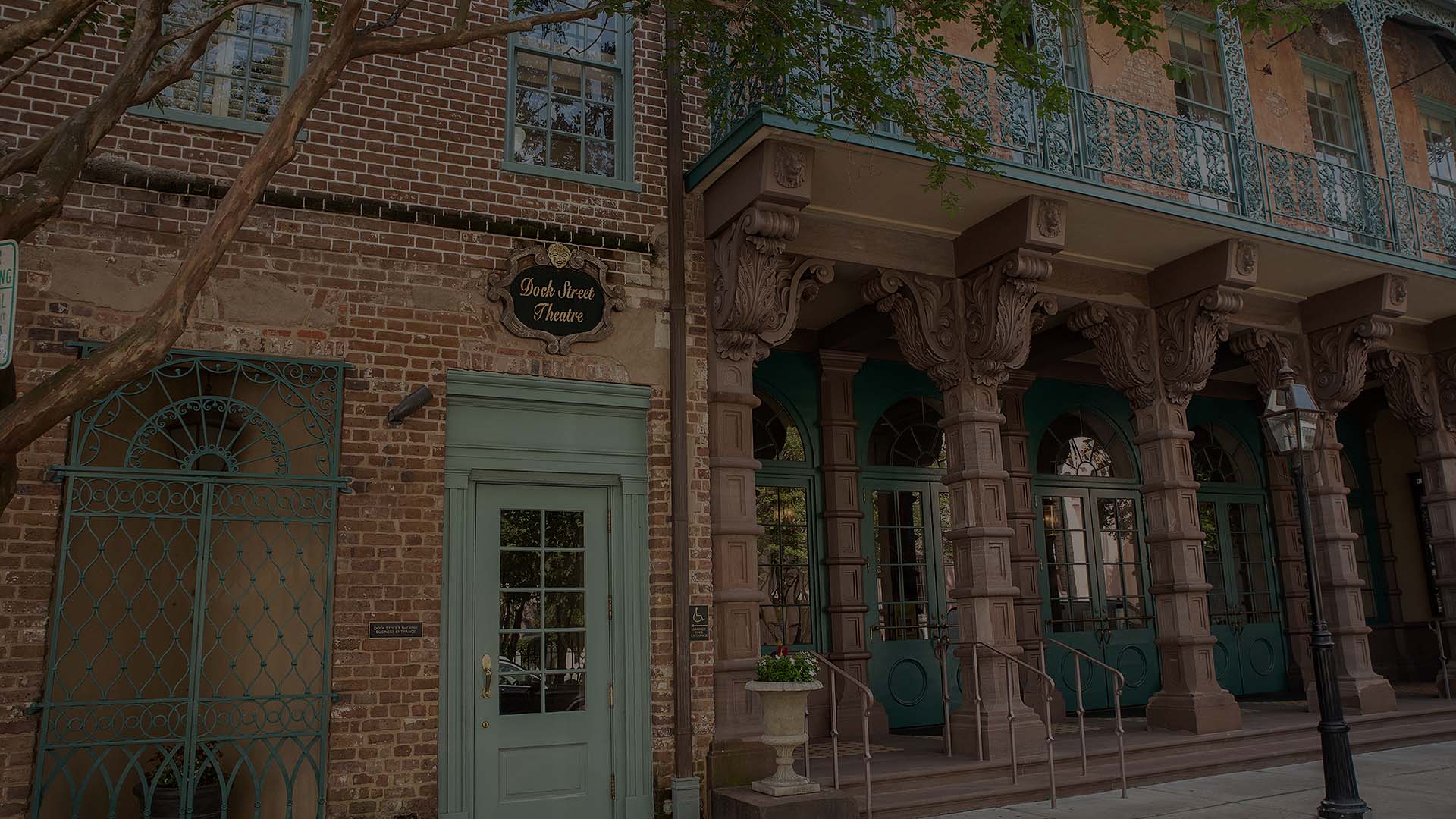
Dock Street Theatre stands on a site that has served several purposes over nearly three centuries. The first theater opened in 1736 and later burned during the Great Fire of 1740. After that, the space became the Planters Hotel, which brought travelers, workers, and long-term residents into the building. The current theater dates to the 1930s but was built directly over earlier foundations, which helps explain why it remains part of conversations about the most haunted places in South Carolina.
History and Facts
The Dock Street Theatre is recognized as the first structure in America designed specifically for theatrical performances. During the 19th century, well-known actor Junius Brutus Booth performed here regularly. Fires, rebuilds, and changes in use created long gaps in the building’s life.
Things To Do
Guests can attend live performances and spend time in the seating area where many reports have occurred. Walking past the building at night along Church Street offers a clear view of its iron balconies and upper windows. During daytime hours, the lobby allows visitors to study the detailed woodwork and layout that reflect earlier building phases.
Reported Activity
Visitors and staff report seeing a woman in a red dress near the second-floor balcony. Others describe a pale figure seated quietly in the audience during rehearsals. Some actors claim to see shapes on the stage dressed in period clothing, even when the theater is empty.
Pawleys Island holds one of the longest-running ghost legends in the state. The Gray Man is known as a warning spirit who appears before major hurricanes. Unlike many ghost stories tied to buildings, this legend is connected to the coastline itself.
History and Facts
The legend of the Gray Man began in 1822 after a young man reportedly died in the pluff mud while trying to return to his fiancée. Over time, sightings were recorded before Hurricane Hazel in 1954 and Hurricane Hugo in 1989. In several cases, homes belonging to people who claimed to see the Gray Man were left standing after the storms.

Things To Do
Visitors often walk the beach near the dunes where sightings are commonly reported. Some explore the marsh areas tied to early accounts from the 19th century. Speaking with local residents can also provide insight, as many families keep records of sightings passed down through generations.
Reported Activity
Witnesses describe a tall figure dressed in gray that disappears when acknowledged. Some report seeing the figure standing still near the dunes. Others describe sightings from boats, with the Gray Man appearing along the shoreline and fading as storms approach.

The Old Exchange and Provost Dungeon sit at the corner of East Bay and Broad Street in Charleston and played a central role in Charleston’s colonial life. The building stands on top of earlier fortifications and sits close to the harbor, which made it an important site for trade, military activity, and imprisonment.
History and Facts
The British used the dungeon to imprison American patriots, privateers, and pirates during the Revolutionary War. Stede Bonnet, known as the Gentleman Pirate, was held here before his execution. In 1788, South Carolina leaders gathered upstairs to ratify the United States Constitution. The building also served as a location for public slave auctions, which adds another layer to its difficult past.
Things To Do
Visitors can walk through the Provost Dungeon in the lower level and view the remains of the Half Moon Battery built into the walls. Museum exhibits explain the building’s role during the American Revolution and its connection to Charleston’s port economy. Guided tours often include detailed stories about prisoners who were held below ground.
Reported Activity
Staff members report sudden drops in temperature in the dungeon without changes in the building systems. Others describe hearing chains dragging or low voices echoing through the cellar. These reports continue to support its reputation as one of the most haunted places in South Carolina.
St. Philip’s Church Cemetery rests beside one of Charleston’s oldest congregations and holds graves dating back more than two centuries. The cemetery sits along Church Street and contains the remains of political leaders, military figures, and private citizens. Its long use and quiet setting contribute to its place among the most haunted places in South Carolina.
History and Facts
Sue Howard Hardy was buried here in 1888 after dying shortly after childbirth. Her story became widely known after a photograph taken in 1987 appeared to show a hooded figure near her grave. St. Philip’s current church building dates to 1836, replacing an earlier structure that was destroyed by fire.

Things To Do
Visitors can view the cemetery through the iron gates and locate notable graves tied to Charleston history. Many walking tours stop nearby to explain burial customs from the 18th and 19th centuries. The site is often included on evening routes focused on haunted landmarks.
Reported Activity
Guests report hearing quiet crying near Sue Howard Hardy’s grave. Others describe feeling pressure or chills while standing close to certain headstones. Some visitors claim to capture unusual shapes or figures in photographs taken near the burial plots, reinforcing the cemetery’s reputation as one of the most haunted places in South Carolina.

Battery Carriage House Inn sits along East Bay Street near Charleston Harbor and White Point Garden. The property includes several connected buildings that once served as private residences and carriage houses during the 19th century.
History and Facts
The main structure dates to 1843 and remained standing through the Civil War and the Charleston earthquake of 1886. During wartime, Confederate soldiers slept in the carriage houses while guarding the harbor. Room 10 is tied to the death of a young college student in 1904, an event often mentioned in later reports.
Things To Do
Guests can book overnight stays in rooms connected to reported activity, especially rooms 8 and 10. Many visitors spend time in the lobby reading the Ghost Book, which holds firsthand accounts written by past guests. A walk through White Point Garden across the street also adds context since the area played a role in Charleston’s military history.
Reported Activity
Guests report lights switching on without explanation and the sound of footsteps in empty rooms. Room 8 is linked to sightings of a headless figure wearing a dark coat. In room 10, visitors describe seeing a thin male figure seated near the bed. These repeated reports continue to shape its reputation as one of the most haunted places in South Carolina.
The USS Yorktown rests at Patriots Point and now operates as a museum ship. During active service, it played a major role in World War II and the Vietnam War. The loss of crew members during combat and the ship’s long service life are key reasons it’s included among the most haunted places in South Carolina.
History and Facts
Commissioned in 1943, the ship earned 11 battle stars during World War II and five more during Vietnam. Naval records confirm that 141 sailors died onboard during its years of service. In 1968, the carrier recovered the Apollo 8 astronauts after their return from space.

Things To Do
Visitors can explore the flight deck, hangar deck, crew quarters, and engine rooms during regular hours. Some evening programs allow access to lower levels that aren’t always open to the public. Walking the deck near sunset offers clear views of Charleston Harbor and the Cooper River.
Reported Activity
Staff and visitors report hearing footsteps moving through steel corridors when no one else is nearby. Shadow figures are often described near radar rooms and lower decks. Some guests mention hearing voices or mechanical sounds when systems aren’t running.

Poinsett Bridge crosses Little Gap Creek in northern Greenville County and dates back to 1820. It once served as part of the old State Road that travelers used to move through the region. Its remote location and long history have helped turn it into a regular entry on lists of the most haunted places in South Carolina, especially among locals who grew up hearing stories tied to the site.
History and Facts
The bridge was designed by Robert Mills, who later designed the Washington Monument. It was built using local stone and hand-cut masonry, which has held up for more than two centuries. Local legends claim a construction worker died from malaria and was buried nearby, though no official records confirm this. The bridge was named after Joel Poinsett, a South Carolina statesman and diplomat.
Charleston offers several structured ways to explore its haunted history while learning the real stories behind the legends. Guided experiences help visitors understand how fires, wars, disease outbreaks, and imprisonment shaped the city’s reputation. These tours focus on documented locations connected to the most haunted places in South Carolina, rather than rumors or staged effects.
Ghosts & Gravestones Frightseeing Tour
The Ghosts & Gravestones Frightseeing Tour is led by friendly and knowledgeable guides who provide live narration throughout the experience. Guests ride in comfortable vehicles while hearing spooky stories tied to Charleston’s cemeteries, former jails, and historic streets. Guides explain where reported activity originated and how each location fits into Charleston’s past, which helps ground the stories in real paranormal history.
Old Town Trolley Tours
Many visitors start with Old Town Trolley Tours earlier in the day to understand the city before exploring its haunted side. The live narration from friendly and knowledgeable guides covers Charleston’s history, architecture, and major landmarks. The tour makes it easy to see the best of the city and learn about its rich past. That daytime context often adds depth when learning about the most haunted places in South Carolina after dark.
Independent Exploration
Some haunted locations remain open to the public during daylight hours, including cemeteries and historic streets. Reading posted information and respecting site rules helps preserve these areas. Pairing self-guided visits with narrated tours gives a clearer picture of why Charleston continues to stand out among the most haunted places in South Carolina.
Fall is a popular time to explore the most haunted places in South Carolina because cooler evenings make walking tours more comfortable, and many historic sites offer extended hours. Spring also works well since weather conditions are steady and crowds are lighter than peak summer months. Haunted locations remain active year-round, though, and daytime visits can still provide insight into the history behind each site. Planning around weather and daylight often matters more than the season itself.