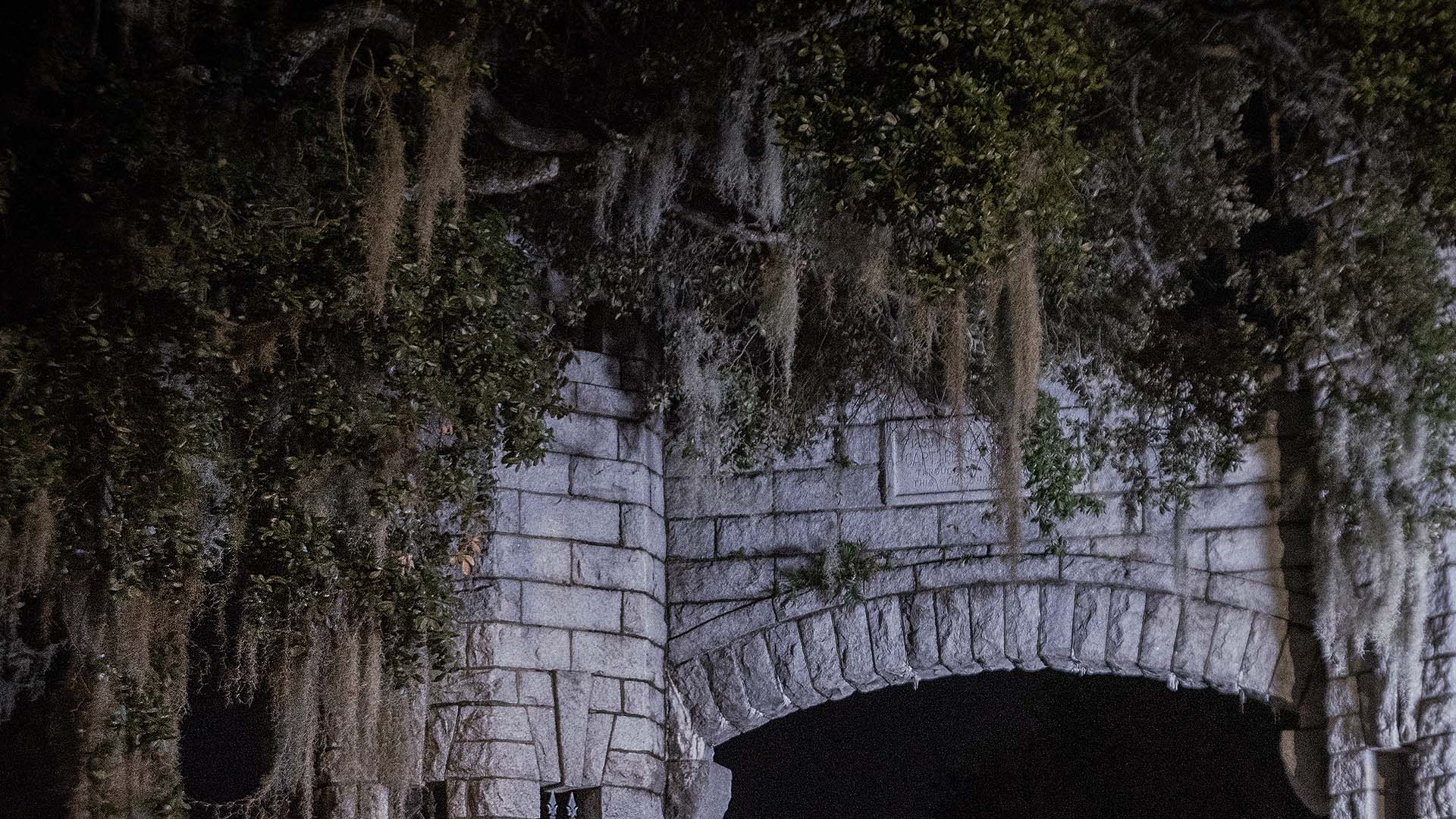
Charleston’s history spans more than three and a half centuries, filled with tales of early settlement, colonial conflict, pirate blockades, and the devastating impacts of the Revolutionary and Civil Wars. Behind the city’s famous pastel-colored houses and cobblestone streets sits a darker timeline defined by epidemics, fires, and military sieges. Boarding the Ghosts & Gravestones tour offers a compelling evening look into how these major historical events laid the groundwork for Charleston’s legendary reputation as one of the most haunted cities in America.
Charleston has a long past shaped by events that happened out in the open and close to where people lived. Founded in 1670, the city grew around its port, which brought ships, soldiers, and constant movement in and out of town. Along with trade came disease, conflict, and public punishment. Executions were carried out along the waterfront, sometimes in full view of the harbor, and military activity became part of everyday life during several periods.
When people talk about the haunted history Charleston is known for, they usually point to real places rather than vague legend. The same streets, buildings, and waterfront areas come up again and again in these stories. Accounts don’t float around the city at random. They stay tied to locations where major events unfolded and where physical reminders of the past are still easy to see, including old stone buildings, narrow alleys, and preserved public spaces.
Many of Charleston’s oldest buildings are still standing and still in use. Former jails, private homes, churches, and warehouses haven’t been torn down or replaced. Walls, floors, and cellars remain where they were centuries ago, often built with the same brick and stone used at the time. People walk through these spaces daily without separating the present from the past.
Stories tied to the haunted history of Charleston often focus on these preserved buildings because the events connected to them happened inside enclosed spaces. Prisoners were held underground. Patients were treated in crowded rooms. Families lived out their entire lives in the same houses. When people report strange sounds or sudden changes in how a space feels, those moments are usually linked to rooms or hallways with a clear historical record. The buildings themselves help keep the stories grounded in place.
The Old City Jail operated from 1802 until 1939 and held a wide range of prisoners, including thieves, pirates, and Civil War captives. Conditions inside were harsh. Cells were overcrowded, ventilation was poor, and sanitation was limited. Disease spread easily, and many inmates spent long periods locked away with little contact from the outside.
Lavinia Fisher was held at the jail before her execution in 1820, and her name remains closely tied to the site. Visitors and staff often report voices coming from empty areas, the sound of cell doors closing, and footsteps on upper levels that are no longer open. Some people describe the feeling of being touched or brushed past while standing still near former cells.
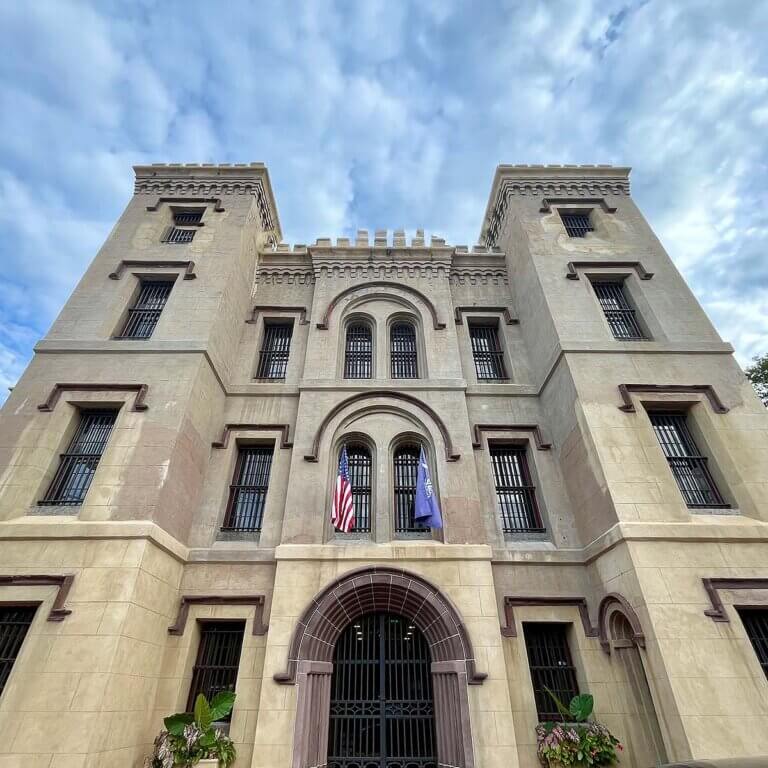
Reports connected to the jail tend to focus on the same sections of the building, especially darker corridors and upper floors. These repeated details are part of why the Old City Jail continues to come up in discussions about haunted history Charleston residents and visitors hear about when learning how punishment and imprisonment shaped the city.

The Old Exchange and Provost Dungeon sit near the waterfront and played several roles throughout Charleston’s early history. During the Revolutionary War, the British used the lower level as a prison for American patriots, pirates, and other captives. Prisoners were held underground in dark, damp rooms with little light or air. Food was limited, illness spread quickly, and many people died while confined there.
People who visit the dungeon today often describe changes in sound and temperature as they move through the lower rooms. Voices, footsteps, and the sound of chains are commonly reported, even when the space is empty. Some visitors say the air feels heavier in certain corners, especially near former holding cells. These reports tend to come from the same areas and are often shared by people who had no prior knowledge of the site’s history.
Stories tied to the dungeon stay closely linked to what happened there. The conditions, the number of deaths, and the lack of care for prisoners are all well-documented. That connection between record and report is why this site remains central to conversations about haunted history Charleston continues to be known for.
White Point Garden and The Battery sit at the southern edge of the peninsula and have long been tied to public events. During the early 1700s, this area was used for pirate executions. Bodies were displayed near the harbor as warnings to others arriving by ship. The location later served as a defensive area during the Civil War, with cannons placed along the waterfront.
Reports connected to this area often happen after sunset when the park quiets down. Visitors describe seeing figures near the oak trees or along the seawall, sometimes dressed in what looks like military clothing. Others mention sudden cold spots or a heavy feeling near the cannons and paths closest to the water. These moments are usually brief and don’t involve direct interaction.

Because The Battery and White Point Garden were used so openly for punishment and defense, the stories tied to them tend to focus on presence rather than movement. The same spots come up again and again in reports, which keeps this area part of the larger conversation about Charleston’s past and the events that unfolded in public view.

The Unitarian Church graveyard dates back to 1772 and was intentionally left in a natural state. Trees, vines, and uneven ground were allowed to grow around the graves, and that condition has remained in place over time. Many headstones are partly hidden, and some tombs sit at angles after years of weather. Walking through the graveyard often means slowing down and watching where you step.
One of the most talked-about figures linked to the site is known as the Lady in White. She’s often connected to stories about long waiting and loss, including accounts tied to the poem “Annabel Lee.” Visitors describe seeing a woman in light-colored clothing standing quietly among the graves, usually near the same paths or markers.
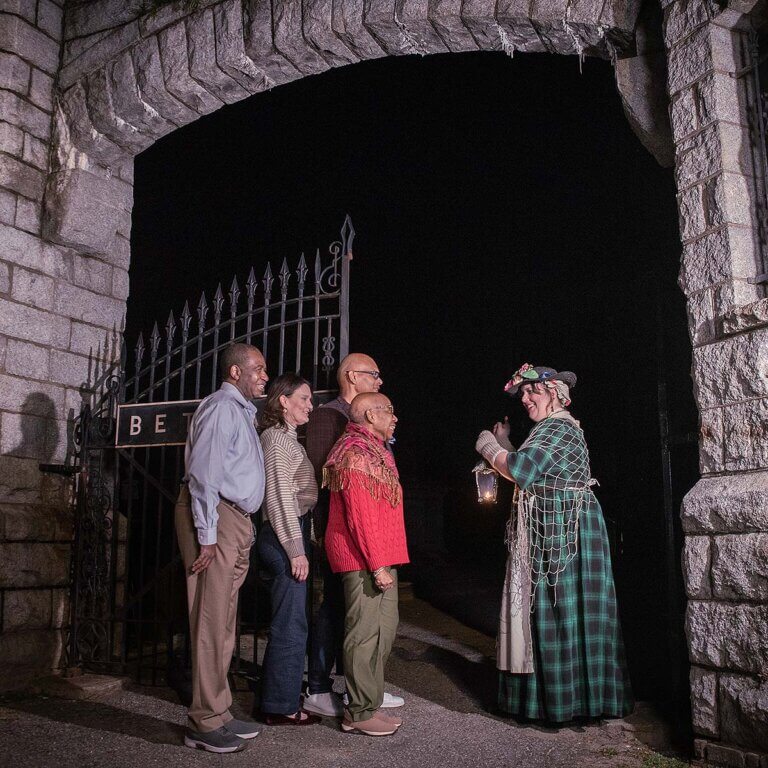
The Ghosts & Gravestones Frightseeing Tour shares haunted history Charleston visitors often ask about through live narration from knowledgeable and spooky guides. The focus stays on recorded events, documented deaths, and stories that have been passed down for years. Instead of jumping from one scare to the next, guides explain what happened, who was involved, and why those details still matter.
Along the way, guides point out how different stories overlap. The same streets show up again. The same buildings get mentioned by different people. That repetition is part of what makes the stories stick. It keeps the experience fun, a little unsettling, and grounded in the idea that Charleston’s past still has a way of making itself known.
Charleston’s past hasn’t been pushed out of sight. Many of the places tied to major events are still standing and still part of daily life. Old jails sit near busy streets. Cemeteries remain next to churches and homes. Waterfront areas once used for punishment and defense are now public spaces people walk through every day. Because these locations haven’t been erased or rebuilt, the stories connected to them haven’t faded either.
When people talk about haunted history Charleston is known for, they usually aren’t sharing dramatic moments. They mention small details tied to specific places: a room that feels different, a section of a building where the same things keep getting noticed. Knowing what happened at these sites helps explain why certain locations continue to come up in stories passed down over time.
Many of the sites connected to Charleston’s past were used for long periods of time and involved repeated hardship. Prisons, hospitals, cemeteries, and waterfront punishment areas all saw similar events happen again and again. When people share experiences today, they often point to the same spots where history shows those events took place.