Charleston is often ranked as one of the best cities in the world, but that reputation only shows part of its story. Founded in 1670, the city is one of the oldest continuously lived-in places in the United States. Much of Charleston developed early and remained in place, which means layers of history still sit right on the surface.
Many Charleston facts stand out because they tie everyday places to real events that shaped life in the city. Streets, buildings, and public spaces stayed in use through wars, fires, earthquakes, and disease outbreaks. That steady use kept the past close instead of pushing it aside.
This guide focuses on Charleston facts that go beyond dates and plaques. Some are tied to major moments in American history. Others explain small details people notice while walking through the city. Together, they show how Charleston grew, survived, and carried its past forward without separating it from daily life.
Several Charleston facts stand out because of when key institutions and traditions took root in the city. One of the most notable examples is The Charleston Museum, founded in 1773. It’s recognized as the oldest museum in the United States and continues to preserve artifacts tied to science, culture, and daily life in the Lowcountry.
Another early landmark is Dock Street Theatre, which first opened in 1736. It was designed specifically for theatrical performances, a purpose that still defines the site today. Even after rebuilding, the theater’s location and role remain part of Charleston’s cultural record.
Golf also became part of Charleston’s story early on. Harleston Green is often cited as the country’s first organized golf club, dating back to the late 1700s. One of the most important Charleston facts tied to national history involves Fort Sumter, where the first shots of the Civil War were fired. That moment permanently linked the city to a turning point in American history.
Some of the most interesting Charleston facts are written directly into the buildings. Walk through older neighborhoods, and you’ll notice small black iron circles bolted into brick walls. These are earthquake bolts, added after the Great Earthquake of 1886. The quake damaged homes, churches, and public buildings across the city. Rather than tearing structures down, builders reinforced them, leaving those bolts visible as part of the repair.
Another detail that stands out is the design of Charleston single houses. These narrow homes sit sideways on their lots, with long porches running along one side. This layout helped manage heat and airflow in a busy port city where space was limited. It also allowed families to open windows toward the breeze without facing the street directly, which added a sense of separation and privacy.
Color tells its own story. Charleston Green appears on doors, shutters, and trim throughout the city. One well-known Charleston fact ties this deep shade to the period after the Civil War, when available pigments were mixed to create dark paint that resisted fading. Over time, the color became familiar and stayed in use long after its practical purpose passed.
Some Charleston facts are harder to talk about because they involve punishment, disease, and public loss. For much of the city’s early history, these events didn’t happen behind closed doors. They took place in busy areas where daily life continued around them.
Pirate executions are one example. In the early 1700s, dozens of pirates were hanged near what’s now White Point Garden. Their bodies were displayed along the harbor as warnings to others arriving by ship. These executions were meant to be seen, which is why the location still comes up when people talk about Charleston’s past along the waterfront.
Disease also left a deep mark. Yellow fever outbreaks swept through the city several times during the 18th and 19th centuries. With limited medical knowledge and crowded living conditions, illness spread quickly. Burial grounds filled fast, and many families lost multiple members within short periods of time. Some Charleston facts tied to graveyards and old church records come directly from these outbreaks.
Prisons added another layer. The Old City Jail operated for decades without electricity or running water. Prisoners were held in cramped conditions, often for long stretches of time. Records show that the jail housed people accused of everything from theft to piracy. That long history of confinement explains why the site remains closely tied to stories passed down through generations.
These events shaped the city in ways that still show today. Locations connected to punishment, illness, and loss stayed in place, which is why their stories continue to surface when people look closely at Charleston’s history.
The nickname “Holy City” comes up often when people talk about Charleston, but it isn’t about behavior or belief. It comes from the skyline. Church steeples rise above neighborhoods throughout the peninsula, many of them dating back centuries. Early laws allowed different religious groups to worship openly, which led to a wide mix of congregations building close together.
This tolerance shaped the city’s layout. Churches weren’t pushed to the edges of town. They became part of daily life, sitting near homes, markets, and workplaces. That’s one of the Charleston facts people notice quickly while walking through older areas. Bells, graveyards, and meetinghouses were woven into everyday routines, not set apart.
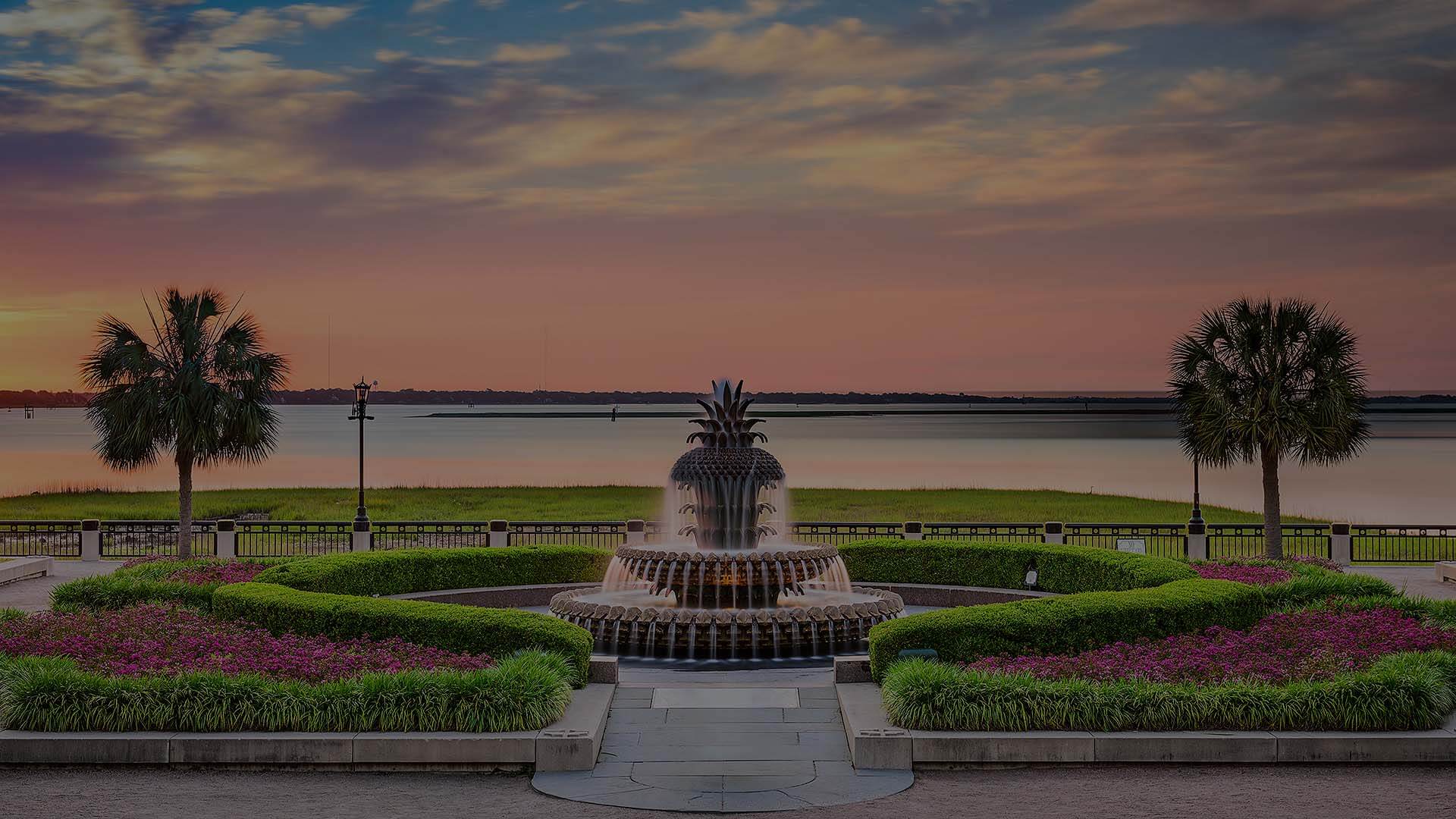
Symbols tied to hospitality also show up throughout the city. The pineapple is one of the most recognizable. In Charleston’s port days, sea captains placed pineapples outside their homes to signal a safe return and welcome visitors. That symbol stayed, and today it still appears on gates, door knockers, and public buildings.
Gullah Geechee heritage also plays a major role. Traditions passed down through coastal communities shaped language, food, and design. One lasting example is the use of blue porch ceilings, often called Haint Blue. The color traces back to beliefs about protection and boundaries, showing how cultural practices quietly shaped how homes were built and maintained.
Some Charleston facts don’t need long explanations. They stand out because they connect famous names, everyday places, and unexpected moments in history.
One example is baseball. Actor Bill Murray is a part-owner of the Charleston RiverDogs, a local Minor League Baseball team known for its strong community presence and offbeat promotions.
Charleston is also tied to early public education. The city is often credited with establishing one of the first public libraries in America, making books and shared knowledge more accessible at a time when that wasn’t common.
Science left its mark too. Dr. Alexander Garden, a physician who lived in Charleston during the 18th century, is the namesake of the gardenia flower. That connection still surprises people who associate the bloom with landscapes far from South Carolina.
Pirate history brings its own details. Blackbeard once blockaded Charleston Harbor, not to steal gold but to demand medicine for his crew. Even the city’s defenses hold small surprises. Cannons along The Battery face inland in some areas, placed that way to protect the city rather than signal power from the water.
Many people choose to explore Charleston’s past through guided experiences that connect stories to real locations. A structured tour helps explain why certain buildings, streets, and burial grounds keep coming up in reports. Hearing these details in order makes it easier to follow how events, people, and places stay connected over time.
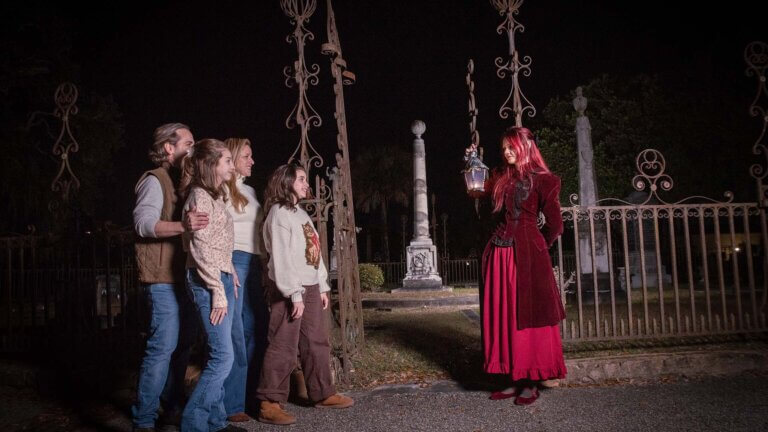
The Ghosts & Gravestones Frightseeing Tour presents history through live narration from knowledgeable and spooky guides who focus on recorded events and long-shared accounts. The experience follows a narrated journey that helps keep the stories clear and grounded. Guests ride in luxurious, air-conditioned vehicles, allowing the tour to cover more of the historic district while staying comfortable throughout the evening. One of the most notable parts of the experience is exclusive nighttime access to Bethany Cemetery, a location that is not open to the general public after dark. Guides explain why the cemetery comes up so often in reports and how its history connects to the surrounding area.
Charleston’s history feels close because it never moved far away. Events that shaped the city happened in places that still exist and still get used. Streets, churches, cemeteries, and public spaces remained part of daily life instead of being set aside or forgotten.
Many Charleston facts help explain small details people notice while walking through the city. Iron bolts in brick walls, narrow houses with long porches, dark green shutters, and overgrown graveyards all connect back to real moments in the city’s past. These details weren’t added for show. They served a purpose at the time.
Learning Charleston’s history helps those details make sense. The past shows up quietly through buildings, layouts, and traditions that stayed in place. That steady presence is why the city’s history feels easy to notice and hard to ignore.
The nickname comes from the city’s skyline, where church steeples rise above homes and streets throughout the historic peninsula. Early laws allowed different religious groups to worship openly, which led to many congregations settling in the same area. Churches became gathering places not just for worship, but for meetings, burials, and community events. Over time, these buildings shaped both the skyline and daily routines, making the name feel earned rather than symbolic.
Several buildings date back to Charleston’s earliest years, and many still stand on their original sites. The Powder Magazine, completed in 1713, is one of the most recognized. Other early structures remain in use after repairs and updates, often serving new purposes. Their continued presence helps explain why Charleston facts often connect history to places people still walk past every day.
Pirates were active along the Charleston coast during the early 1700s, when the city was a busy port. Ships entering the harbor carried goods, medicine, and supplies that pirates targeted. Records document pirate blockades, trials, and executions tied directly to the city. These events were public and well-recorded, which is why pirate history remains part of Charleston facts rather than folklore.
Many people share reports connected to specific locations across the city. These reports often focus on places tied to jails, cemeteries, disease outbreaks, and public punishment. What stands out is how often the same buildings and streets appear in stories shared over long periods of time. That repetition keeps these locations part of ongoing discussion.
Charleston was founded in 1670 and has remained active ever since. Streets, homes, and public spaces developed early and stayed in use as the city grew. That long timeline explains why Charleston facts often feel layered and closely tied to the physical city people see today.