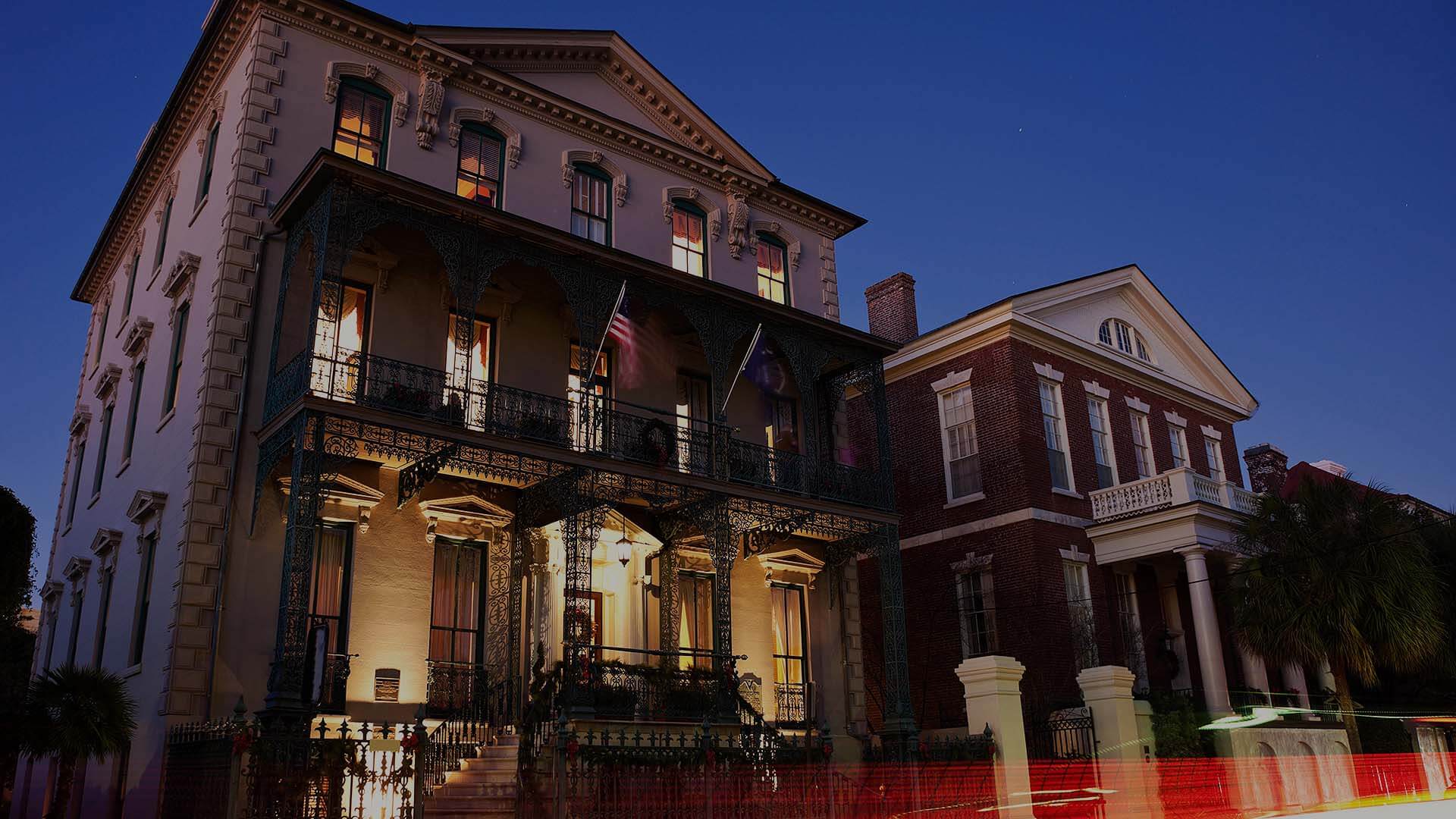
Shaped by centuries of piracy, Revolutionary War bloodshed, and antebellum tragedies, South Carolina boasts a rich tapestry of haunting tales and coastal mysteries. Taking a Ghosts & Gravestones tour remains the top choice for travelers wanting a guided, immersive journey into the Lowcountry’s living lore and unexplained phenomena.
Step inside the grim, imposing fortress of the Old City Jail, a towering relic that operationalized human misery from 1802 to 1939. Stripped of comfort and built over a hospital burial ground, this jail housed pirates, enslaved people, and Civil War prisoners. But its most infamous resident remains Lavinia Fisher, widely popularized as America’s first female serial killer. Her story has become one of the foundational urban legends South Carolina storytellers share with visitors who are looking for a genuine chill.
In the early 1800s, Lavinia and her husband, John, operated the Six Mile Wayfarer House, an inn located just outside the city lines. Legend states that they lured solitary wealthy travelers inside, poisoned them with oleander-infused tea, and robbed them. After a survivor escaped and alerted the authorities, the Fishers were captured and locked within the brutal confines of the jail.

A short drive north of Charleston leads to Murrells Inlet, where the atmosphere shifts from terror to a heartbreaking, romantic sorrow. This is the home of The Hermitage, an antebellum estate, and the tragic legend of Alice Flagg. Her story stands out among the many urban legends South Carolina residents pass down because of its emotional weight and the physical custom associated with her gravesite.
In the mid-19th century, Alice, a wealthy young woman of high society, committed a significant social error by falling deeply in love with a man of a lower class, a skilled lumberman. Her protective and class-conscious brother, Dr. Allard Flagg, furiously forbade the courtship. Defiant, the young lovers met in secret, and Alice accepted a ring from her beau, wearing it hidden on a silk ribbon concealed beneath her dress.
Tragedy struck when Alice was sent away to school and contracted a fatal case of typhoid fever. As she lay semiconscious back at The Hermitage, her brother discovered the hidden token of her secret engagement. In a fit of rage, he ripped the ribbon from her neck and flung the ring into the murky depths of the nearby salt marsh. When Alice briefly awoke and realized her precious token of love was gone, she sank into a deep depression and died of a broken heart. Visitors to her grave at All Saints Parish Churchyard still leave round stones and rings, hoping to help Alice finally find her lost token.

At 2 a.m. on June 29, 1988, 17-year-old Christopher Davis stopped to change a flat tire near the edge of Scape Ore Swamp in Lee County. As he finished his task, he heard a sickening thudding sound and turned to see a nightmare charging toward him through the pitch-black night. He described the assailant as a 7-foot-tall bipedal creature with scaly green skin, fierce three-toed feet, and glowing, demonic red eyes. This encounter cemented a new chapter in the catalog of urban legends South Carolina tracks within its rural borders.
Davis managed to jump into his car, but the beast leaped onto the roof, clawing viciously at the metal and ripping at the side-view mirror as Davis sped away from the swamp. The incident sparked an overnight sensation across the region. Law enforcement officials descended upon the swamp, finding bizarre three-toed footprints that compressed the ground deeply enough to suggest a creature weighing well over 400 pounds.
In the rural, quiet town of Ravenel, South Carolina, an abandoned stretch of railroad tracks plays host to an eerie visual phenomenon that has baffled locals for generations: the Ravenel Lights. On pitch-black nights, onlookers standing near the old tracks report seeing glowing orbs of pale amber and spectral blue rising slowly from the ground.
These ghost lights hover silently above the rusted rails, sometimes swaying gently as if being carried, before suddenly rushing toward terrified witnesses and vanishing into thin air. The prevailing legend dates back to the classic era of steam locomotives. A railroad track worker or conductor was out on a particularly foggy night, swinging his lantern to guide a delayed train. Misjudging the distance in the mist, he was struck and decapitated by the oncoming locomotive.
The floating orb, locals say, is his swinging lantern. His headless spirit is doomed to walk the tracks for eternity, forever searching for his lost head or desperately trying to wave down a train that will never arrive. Skeptics often point to swamp gas or distant car headlights as the cause, but those who have stood on the tracks swear the movement of the light mimics a hand-swung lantern perfectly.
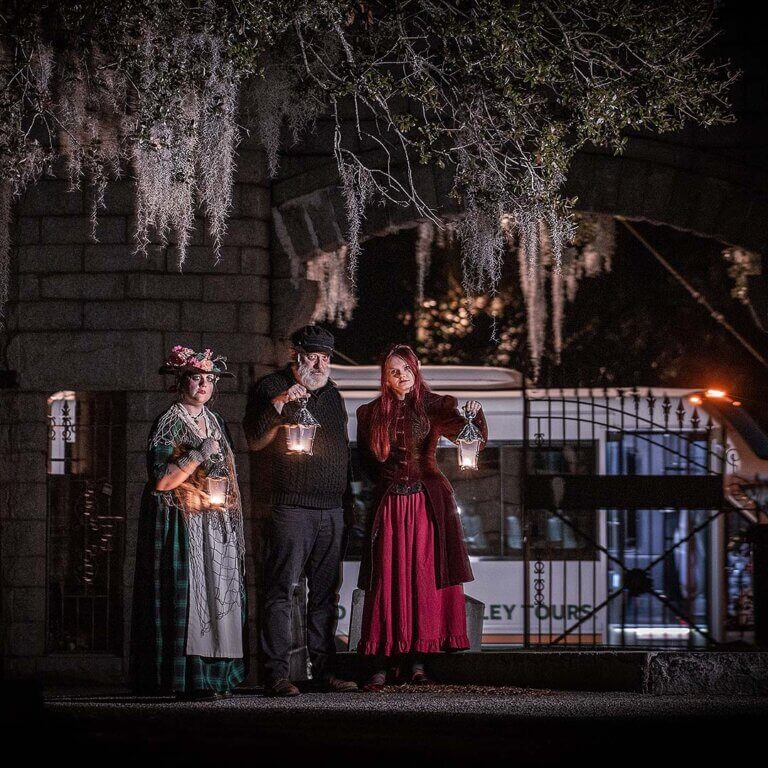
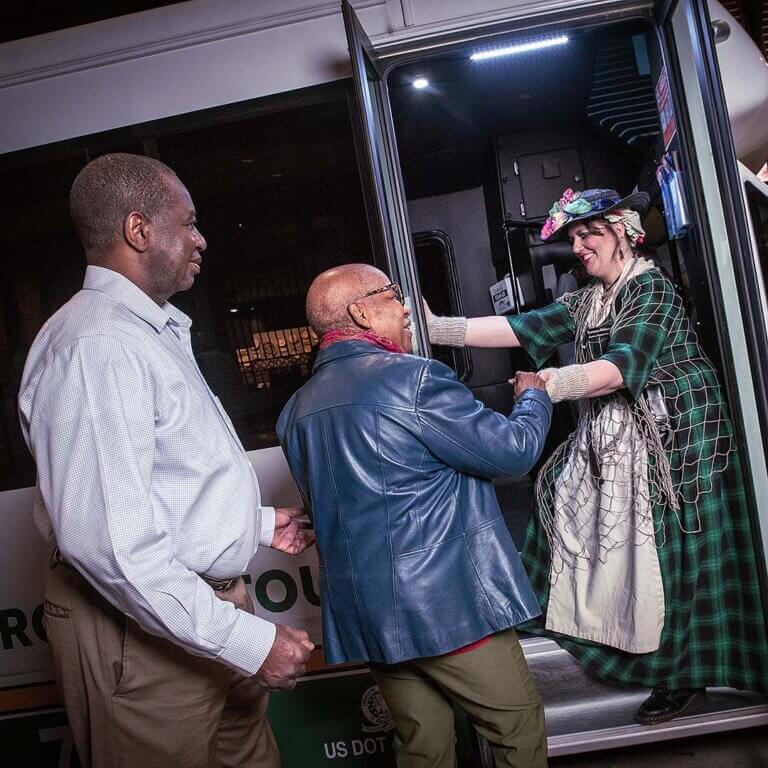
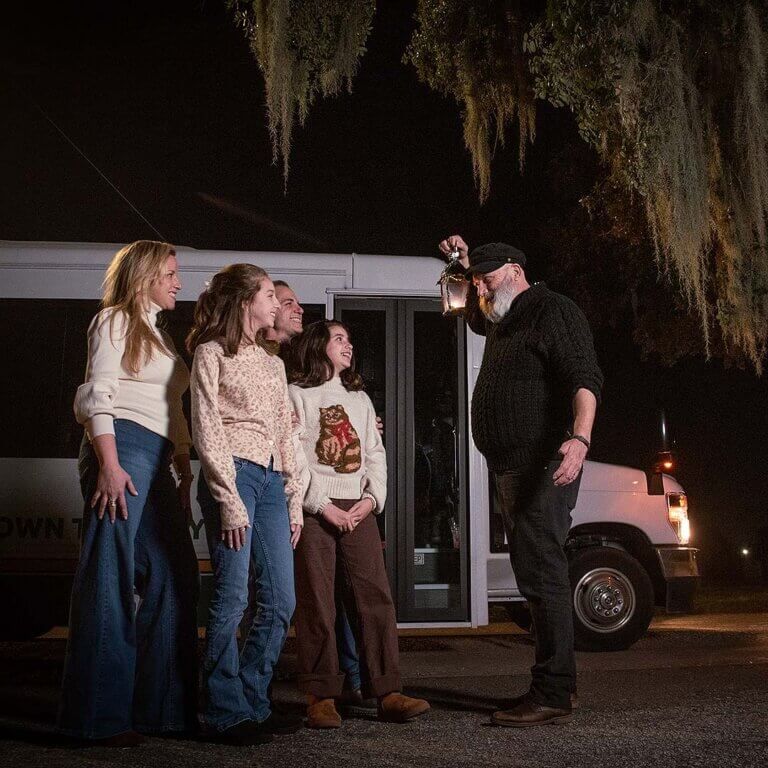
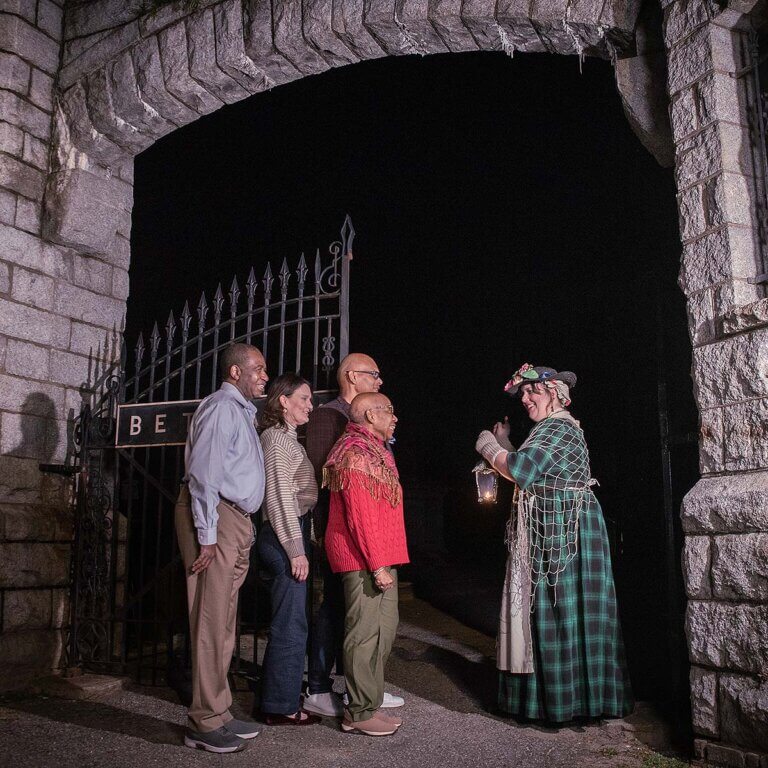
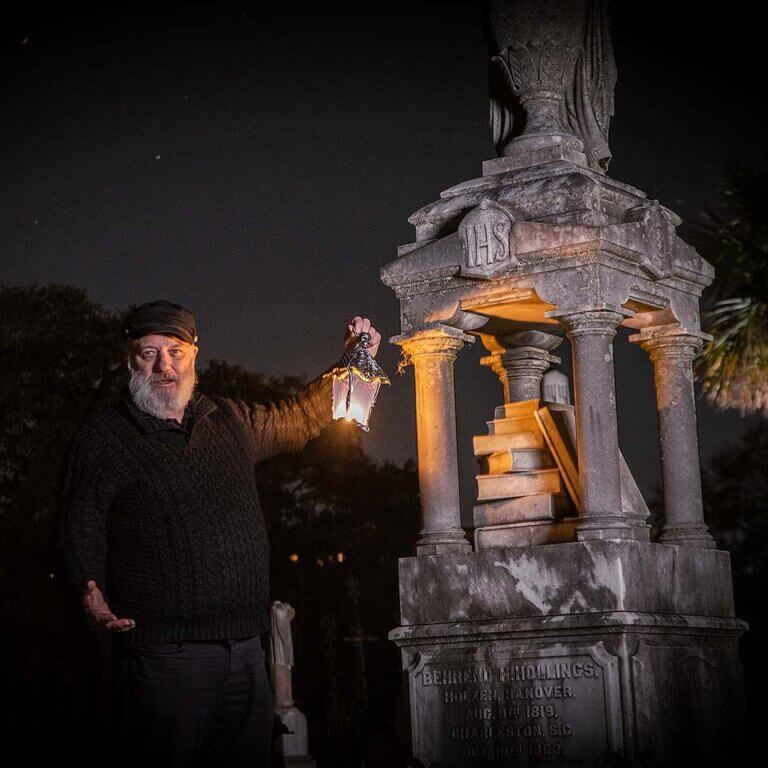
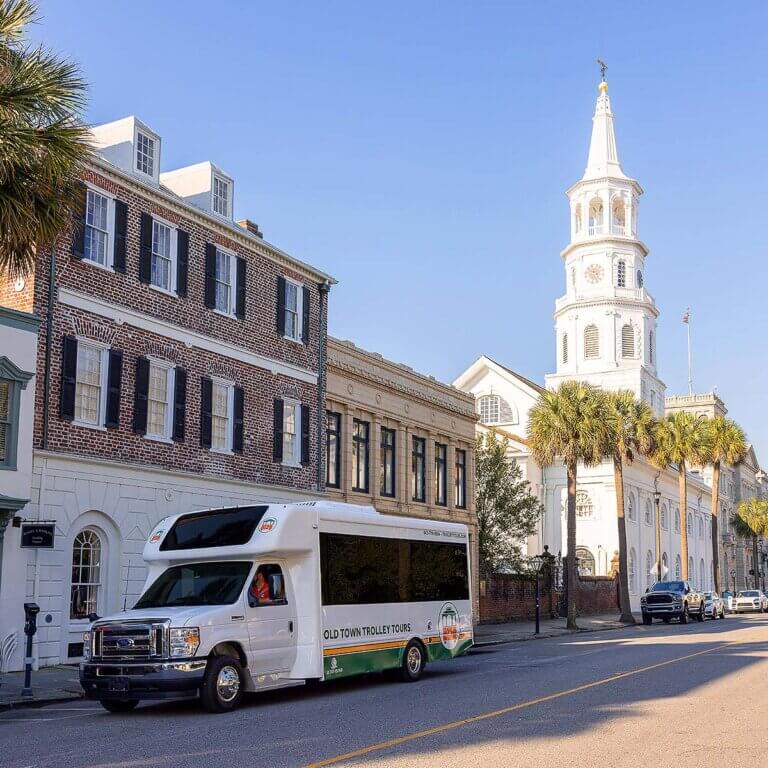
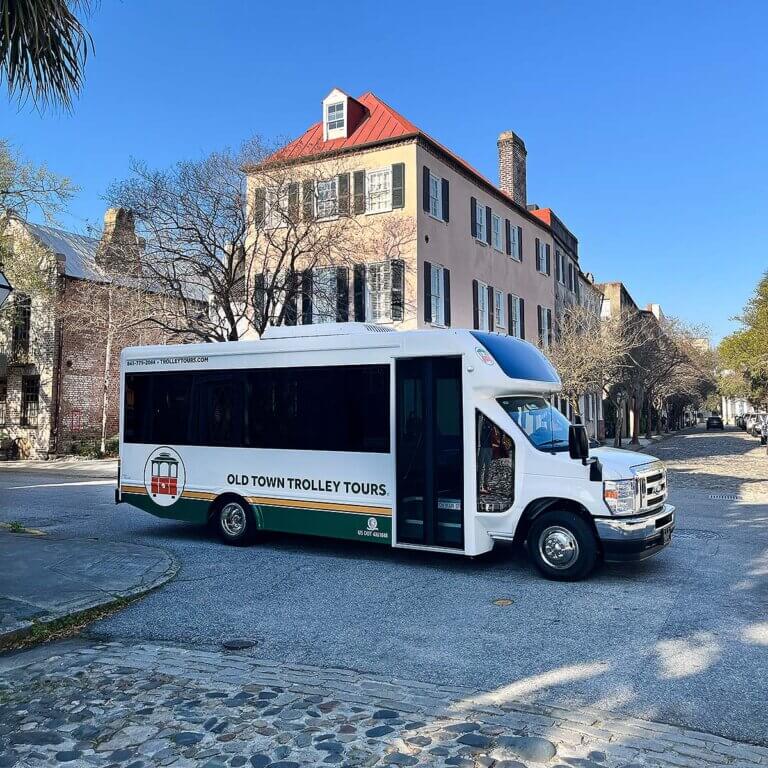
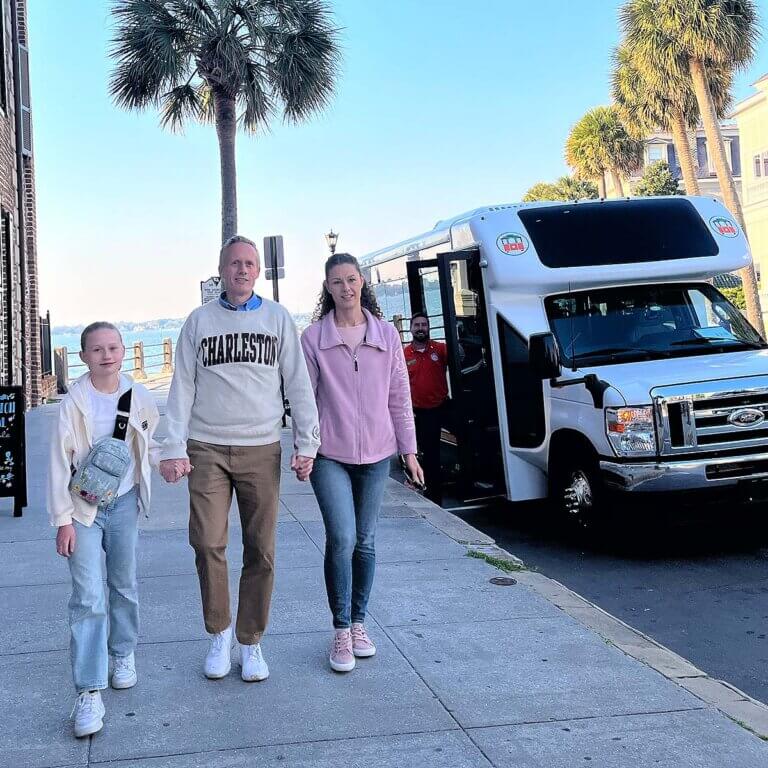

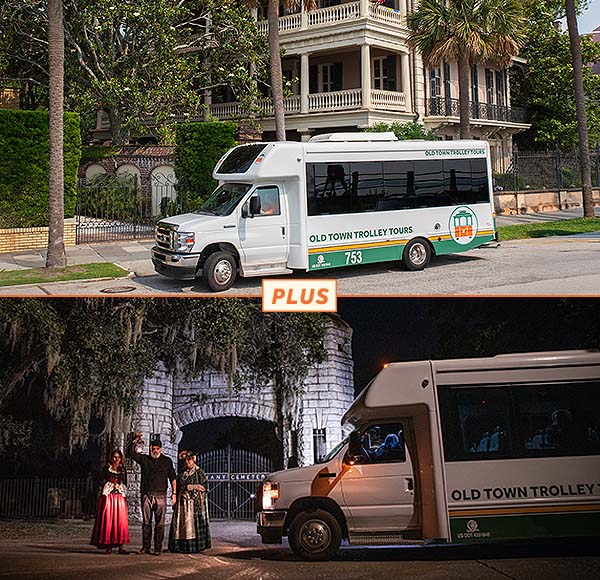
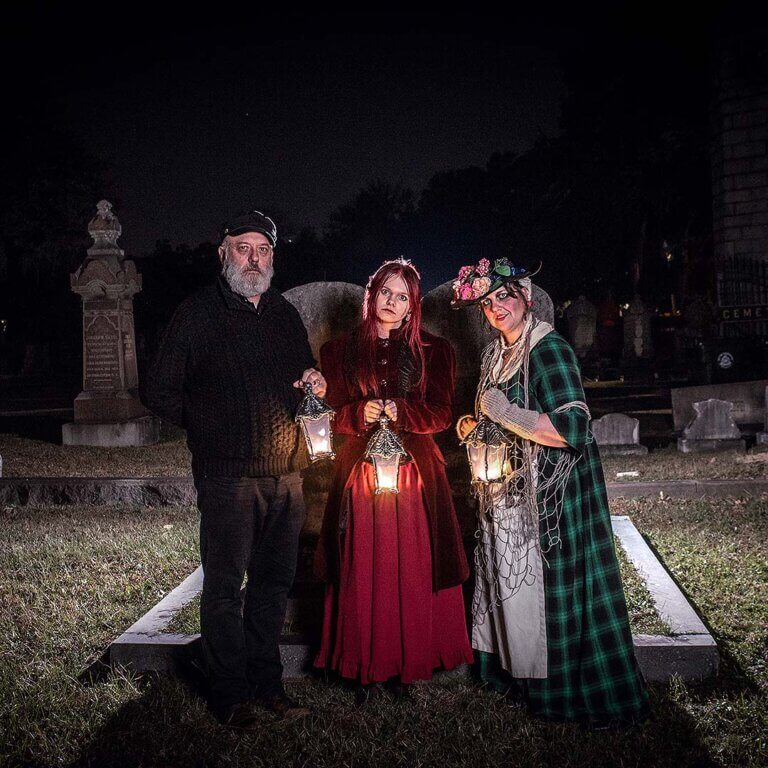


When exploring the rich history and urban legends South Carolina offers, adding a structured tour to your itinerary is the best way to experience these tales safely and accurately. The Ghosts & Gravestones Tour in Charleston provides an exceptional window into the supernatural side of the Lowcountry. This evening excursion allows you to explore the haunted history of the peninsula while riding in a comfortable, climate-controlled vehicle.
Here’s what you can expect:
The urban legends South Carolina preserves are more than just cheap thrills or simple campfire tales. They serve as the living, breathing folklore of a state deeply tied to its ancestors, its triumphs, and its historic tragedies. These narratives reflect how past generations made sense of the world around them, from the dangers of the coastal swamps to the unpredictable fury of Atlantic hurricanes.
The folklore of the Palmetto State is deeply rooted in its specific coastal geography and its complex colonial and antebellum history. Unlike the urban legends found in younger states, South Carolina’s stories frequently involve maritime themes, revolutionary military figures, and deeply personal family tragedies that occurred centuries ago. The heavy integration of natural elements, such as Spanish moss, dense swamps, and ocean storms, gives these regional tales a distinct Southern Gothic character that is difficult to replicate anywhere else.