Click for possible tour changes on the day of your tour here.
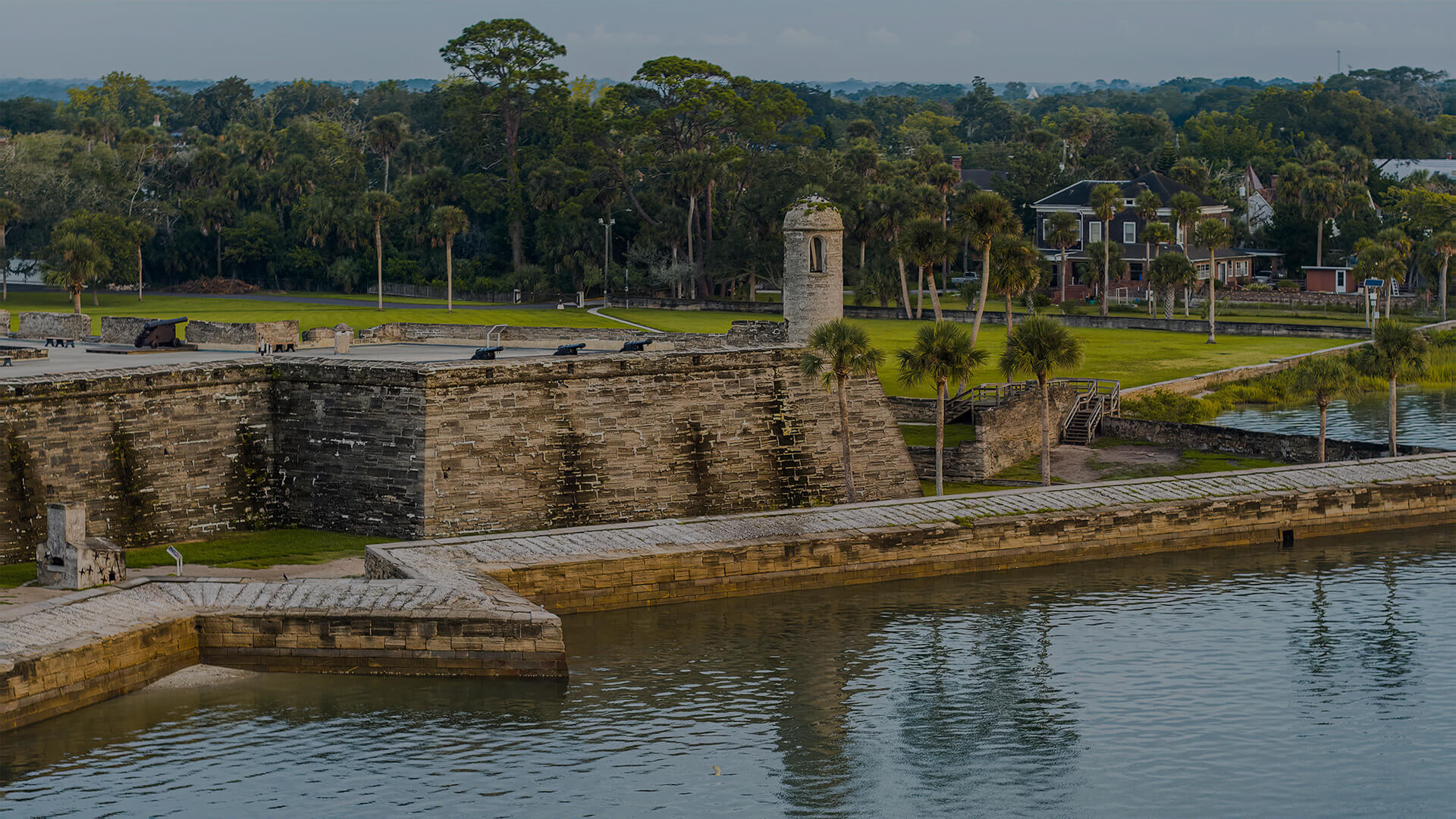
Historic Castillo de San Marcos, a 17th-century fortress in St. Augustine

A Day at the Castillo de San Marcos: Fun and History for All Ages

Main Content

St. Augustine, Florida, is the oldest continuously occupied European-established settlement in the United States, and its history is woven into the streets and waterfront. Looking out over Matanzas Bay, the Castillo de San Marcos stands as the oldest masonry fort in the continental U.S., built by the Spanish between 1672 and 1695. It was constructed to protect the city from attack, and it’s done that job for more than three centuries. The fort has seen battles and sieges, and it’s flown the flags of Spain, Britain and the United States. It has also stood through hurricanes, fires and decades of peacetime, remaining a constant presence in St. Augustine’s skyline. The Castillo de San Marcos is not only a military structure but also a symbol of the city’s endurance. Visiting today lets you experience a place where important chapters of American history unfolded.

What Can You Discover When You Step Inside the Castillo de San Marcos?

Passing through the sally port feels like walking into another time. The thick coquina walls, made from compacted seashell limestone, rise around you. Some of these walls are nearly 14 feet thick. This unusual material could absorb the impact of cannon fire, which is why the fort survived so many attacks. The design includes angled bastions that allowed defenders to cover every approach, a feature that made it difficult for enemy forces to find a safe position. You can imagine Spanish soldiers patrolling the ramparts, watching for sails on the horizon and townspeople taking shelter inside when danger approached. Over the years, the Castillo de San Marcos has served as a stronghold, a military post and a prison. Prisoners once held here included captured enemy soldiers and even Native American leaders during times of conflict. Standing in the quiet shade of its walls, it’s easy to picture the people who once lived and worked here, tending to daily chores while the threat of attack was never far from mind.

What Happens in the Courtyard of the Castillo de San Marcos?

The courtyard was once the fort’s parade ground, where soldiers came together for drills, inspections and announcements. It was the center of life inside the walls, surrounded by the casemates and open to the sky. Supplies were sometimes gathered here, and troops formed ranks before marching out or taking positions along the walls. Today, the space sometimes comes alive during musket and cannon demonstrations. Costumed interpreters show how the weapons were loaded and fired, just as soldiers would have done here centuries ago. The sharp sound of a musket and the deep boom of a cannon bounce off the stone walls, and the smell of gunpowder lingers in the air. These events help visitors understand not just how the fort looked but how it sounded and felt during its active years. It’s easy to picture soldiers moving through the open space, calling out commands and following their daily routines. Children are often drawn to these moments, watching closely as history plays out in front of them and asking questions about the life of a soldier in St. Augustine’s past.

What Do the Casemates and Gun Deck Reveal About the Fort?

Walking through the Castillo de San Marcos takes you into the casemates, the arched rooms built into the thick coquina walls. These rooms once held soldiers, stored gunpowder and kept prisoners waiting to be moved. In times of siege, they provided protection from enemy fire and a place to store the supplies needed to withstand long periods of isolation. Today, the rooms display exhibits that explain how the fort was built, the battles it faced and the people connected to its history. Some rooms also feature artifacts recovered from the area, including weapons, tools and personal belongings that help tell the story of daily life here. Stone stairs lead up to the gun deck, where the view opens over Matanzas Bay, the rooftops of St. Augustine and the curve of the coastline. The sight lines from this position made it possible to track ships from a great distance and prepare for their arrival. Standing here shows why the Spanish built the fort in this location. The height gave them a clear view of the harbor and plenty of time to prepare if ships appeared in the distance, making it one of the most strategic defensive points in Florida.

What Ghost Stories Are Connected to the Castillo de San Marcos?

The Castillo de San Marcos is best known for its centuries of military history, but it’s also a place where ghost stories have become part of its identity. Visitors have shared accounts of strange sights, unexplained sounds and moments that seem to defy explanation.

One of the most well-known tales is that of Seminole leader Osceola. After his death in custody at the fort, a physician is said to have removed his head and kept it as a macabre keepsake. Many believe his spirit still searches the grounds, moving through the shadows in a restless attempt to reclaim what was taken from him. People have described hearing faint footsteps in empty areas and catching glimpses of movement near the places where he was once held.

Another enduring legend tells of Dolores, the wife of a Spanish colonel, and her lover, Manuel. When their secret relationship was discovered, the colonel sealed them inside a hidden room, where they died. Their remains were uncovered many years later, and visitors have since reported catching the scent of Dolores’ perfume in that part of the fort, especially on warm, still afternoons when the air seems heavy and quiet. Visitors to St. Augustine can see a depiction of this tale at Potter’s Wax Museum.

The fort is also home to reports of the Shadow Man, a dark figure often spotted pacing along the walls or crossing the courtyard after sunset. His identity is unknown, though many believe he was a soldier still keeping watch long after his duty should have ended. Some have seen him pause at the edges of the bastions, as if scanning the horizon.

The Lady in Blue is another figure often mentioned. Believed to be Maria Mancilla, she has been seen wandering the fort as if searching for her husband. People who have encountered her often describe a sudden heavy sadness that lingers even after she disappears from view.

Other stories tell of phantom watchmen who appear in the watchtower or move silently across the grounds at night. Many believe these spirits belong to soldiers who refuse to abandon their posts, guarding the Castillo de San Marcos in death just as they did in life. Some visitors say they have felt an invisible presence walking alongside them as they explore the walls.

Why Should You Plan a Visit to the Castillo de San Marcos?

A visit to the Castillo de San Marcos lets you see history in the place where it happened. You can walk through the same gates soldiers once guarded, stand in the courtyard where drills took place, and step into the casemates that stored supplies and sheltered people during attacks. On the gun deck, you’ll get a wide view over Matanzas Bay and the city, the same vantage point defenders used to track approaching ships. As you explore, you’ll learn about the fort’s unique coquina stone construction, the sieges it endured, and the legends that have grown from its long history. By the time you leave, it’s easy to feel a connection to the stories held in its walls. The fort has stood for more than three centuries, surviving wars, changes in power and the passage of time, and seeing it in person is one of the best ways to understand why it remains such an important part of St. Augustine.

Visitors can also learn more about the Castillo on a Ghosts & Gravestones® Frightseeing® Tour. All the history and legends of the city come to life aboard a Trolley of Doomed. It’s a family-friendly way to experience the darker side of St. Augustine, from Castille de San Marcos and beyond.

FAQs

What are the operating hours for the Castillo de San Marcos?

The Castillo de San Marcos is open every day except Thanksgiving Day and Christmas Day. Built between 1672 and 1695, the fort has been part of St. Augustine’s history for more than three centuries, from Spanish control to British occupation and later becoming part of the United States. Visiting in the morning often means fewer people, softer light for photos and a quieter atmosphere. Hours can change slightly with the season, so it’s best to confirm on the National Park Service website before you arrive. The schedule usually gives enough time to see the courtyard, tour the casemates, walk the gun deck and enjoy the views of Matanzas Bay before closing.

How long does a typical visit to the Castillo de San Marcos take?

A visit to the Castillo de San Marcos usually lasts one to two hours. This allows time to explore the open-air courtyard, step inside the casemates, read the historical exhibits, and take in the view from the top. The fort covers about 20 acres, including the grounds and the moat area, so some visitors enjoy walking outside to see the fort from different angles and appreciate its scale. Staying for a musket or cannon demonstration can add another 20 to 30 minutes. People interested in military engineering often spend more time studying the bastions, the coquina stone walls and the design that helped the fort survive so many attacks.

Is Castillo de San Marcos haunted?

Many people believe the Castillo de San Marcos holds more than just history inside its walls. Built by the Spanish and later used by the British and Americans, the fort has served as a garrison, a prison and a safe place during attacks. Some of the best-known ghost stories include the spirit of Seminole leader Osceola, the tragic tale of Dolores and Manuel, and sightings of the Lady in Blue. Visitors have described hearing unexplained footsteps, smelling perfume in sealed rooms and seeing shadowy figures along the ramparts during quiet evening hours. While no one can say for sure what causes these events, the stories remain part of the fort’s character.

Is the fort accessible for people with disabilities?

The ground level of the Castillo de San Marcos is accessible, including the courtyard and several casemates. These areas have exhibits, historical displays and open spaces where events sometimes take place. The upper level, which includes the gun deck and outer walls, can only be reached by stairs and is not wheelchair accessible. The National Park Service offers accessibility guides with maps and suggestions, and rangers are available to answer questions about routes and conditions. Planning ahead helps you make the most of your visit and see as much of the fort as possible, even if some areas are not open to all visitors or have uneven surfaces.